It is, again, a beautiful day, and too pretty to just sit inside and search for jobs. I did do that, though. Applied for one, which I view as an excuse to go back to puzzling through the Cryptex Hunt. The universe paid me back for that, however, by destroying my childhood with the first one.
Blog: Spotlight on Blocking
This puzzle looks like it should be easy enough. It gives a small intro, talking about overlapping lights for the play. Then it gives you a series of eight groups of six dots. Your brain immediately goes, correctly, to braille, and to trying to sort out the colors into groups. And here is where my childhood was destroyed.
See, growing up, I learned that the three primary colors are Red, Blue, and Yellow, which combine to make Purple, Orange, and Green.
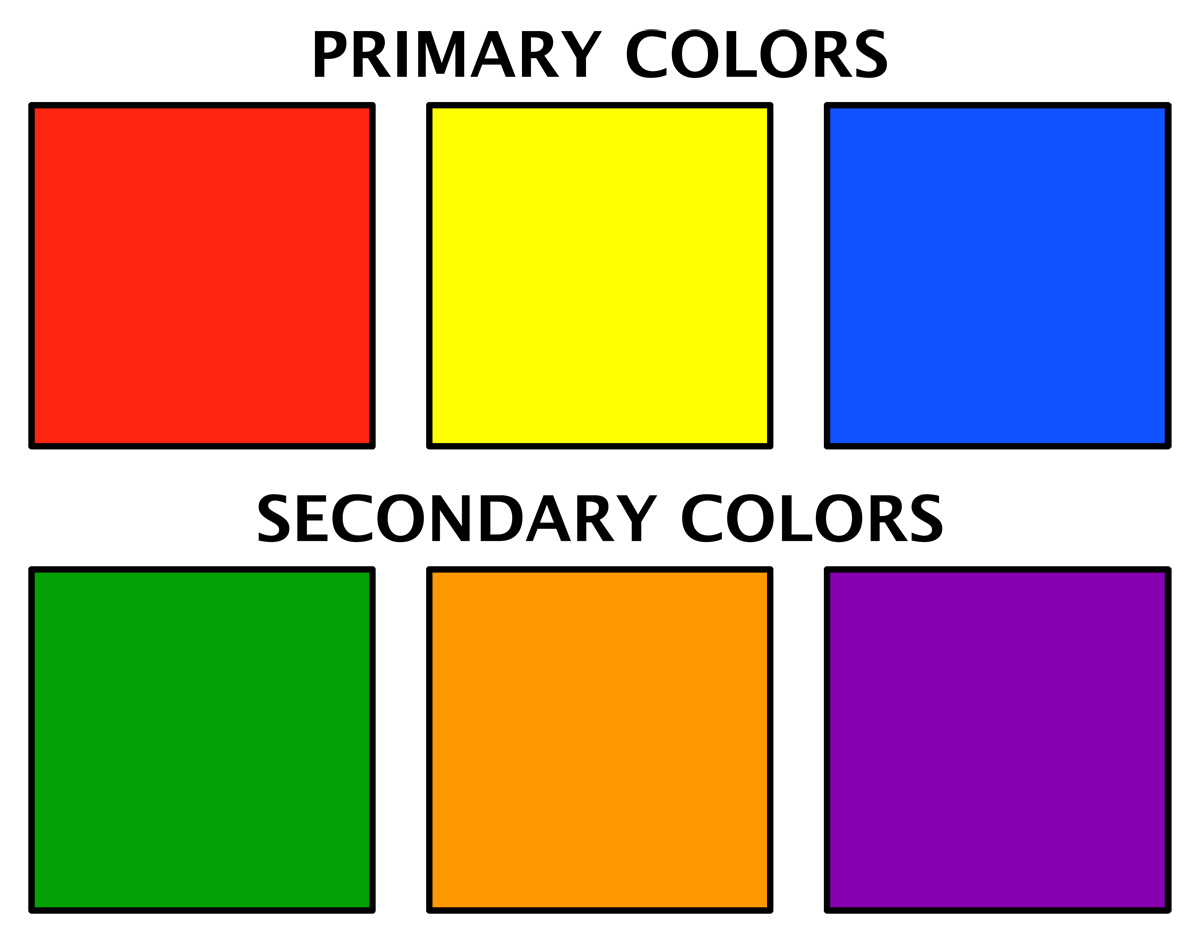
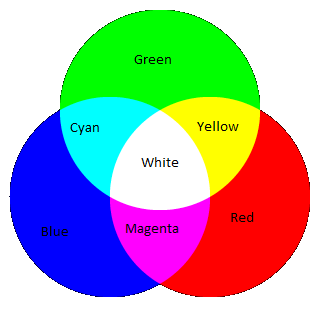
However, this does not work. And it is very frustrating. I knew I was on the right track, as I started with Red, and the first four blocks gave me something useful - THE X (where X is either a new word or a break). And then gibberish. None of it made sense. And then I caved and got a hint. Color theory, apparently, for lights, is different.
Blog: Table Read Chaos
I should thank my mom and her obsession with the stars for the easy start on this one. What took the longest was mapping out the names around the table to begin with. Seeing 12 places, I thought initially of a clock, but the helper text I know that we’re all stars here, so let’s come together to create a beautiful production set me straight quickly. Essentially, map the folks around the table, then trace the path of the conversation to get a constellation. Bolded words aren't necessary but are good for confirmation. Then, take the letter in the position of the number of stars (4 stars, 4th letter) of that constellation to get a word. I didn't recognize the first one off the bat, but knew I had it when the second constellation was one of the first ones I was taught to recognize. The rest of the puzzle was straightforward, but, again, gave you a word that does not have a direct link, as far as I'm aware, with Shakespeare.

No comments:
Post a Comment